A man who survived a stroke after having just one unusual symptom has urged others to look out for uncommon signs that could save their lives.
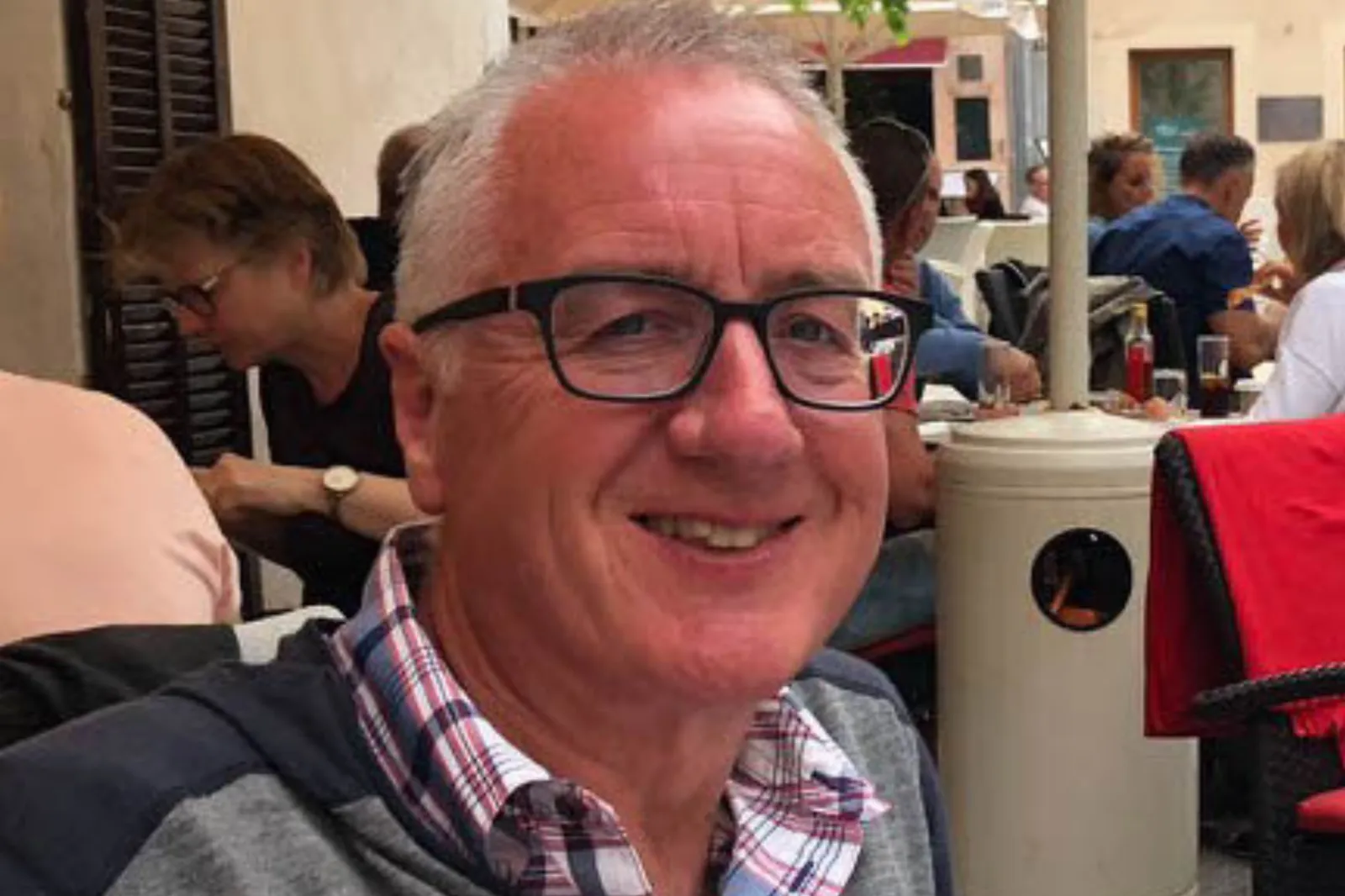
Gordon Robb, 63, from Midlothian in Scotland suffered a stroke involving a bleed in his brain, but had none of the common symptoms associated with the medical emergency.
The most common signs of a stroke, which many people know to look out for, are often remembered by the acronym FAST: Face, Arms, Speech and Time.
If the side of the face droops, one arm drifts downward when both are raised, or speech is slurred or strange, emergency services should be called immediately, according to a report from the Centers for Disease Control (CDC).
But in Robb’s case, he was at first unaware he had suffered a stroke—as his only symptom was suddenly becoming unable to read his emails.
“I was in the garden, went in to have a cup of tea, listen to some music and check my emails on my phone—and it was like they were in a foreign language,” Robb explained in a statement.
“I could see them clearly, and see who they were from, but the words meant nothing to me. I just assumed I was tired because I had been up late the night before.”
When he couldn’t understand text messages from friends later that night, he went to bed, hoping that would help. But nothing changed, and so he decided to make an appointment with his doctor.
it was only when he told his cousin—whose husband had died from a sudden stroke just weeks earlier—that she insisted on taking him immediately to the hospital, where he was told he had a haemorrhagic stroke.
A haemorrhagic stroke is caused by a bleed on the brain, and causes approximately 15 percent of strokes, according to the BHF. The majority of strokes are caused by a blocked artery, known as ischemic strokes.
Robb, who is fit and active, and had even climbed to base camp at Mount Everest just two years previously, feels “incredibly lucky” to have experienced no other symptoms, and while he knew the more common signs of a stroke, he “had none of these.”
“A group of student doctors in neurology who were brought to see me even said they would have struggled to diagnose that I had had a stroke,” he added.
“It just shows the importance of paying attention to unusual symptoms, even if they aren’t ones you have heard of before. If I hadn’t gone to the hospital and quickly received treatment, I could have been walking around with a ticking time-bomb in my head.”
Robb is now undergoing a clinical trial run by researchers at the University of Edinburgh to examine whether the drug clopidogrel or aspirin, which reduces the risk of blood clotting, might prevent future strokes, heart attacks and premature deaths in people who had previously had a haemorrhagic stroke.
These medications are not routinely prescribed to people who have had this type of stroke, because of concerns it could increase the risk of bleeding. But, results from a previous study led by the University of Edinburgh, and also funded by the BHF, found that the medications are safe after a haemorrhagic stroke.
The study is of importance as around one in 10 haemorrhagic stroke survivors experience major clotting or bleeding problems each year.
“It has been hard to overcome the instinctive fear that if people have had a haemorrhagic stroke, taking aspirin or a drug like it might cause more bleeding. So we were very relieved when our research showed such drugs to be safe after a haemorrhagic stroke,” study author professor Rustam Al-Shahi Salman said in a statement:
“The ASPIRING study will gather further evidence to establish if aspirin and clopidogrel can help lower the risk of future strokes and heart attacks, and potentially save the lives of people like Gordon who have had a haemorrhagic stroke.
“I believe there is a huge amount more to be done to help these people, whose lives have been turned upside down and who may be concerned about the future.”
Robb is one of 4,000 people worldwide taking part in the study, which is also funded by health research foundations across the globe.
He said: “Being involved in this trial provides some reassurance that this drug may reduce my risk of another stroke. But it is also great to know that being involved could help improve treatment for people like me in the future, and relieve the pressure on the health system.
“I feel extremely lucky that I did not have more long-term effects from my stroke, and that I have had the chance to try to help improve treatments.”
Dr Sonya Babu-Narayan, the British Heart Foundation’s clinical director, said that the FAST acronym contains “well-known signs” about strokes, “but there are some lesser-known symptoms like being unable to recognise the written word.”
“If you have a symptom that you feel is not right, however strange or unusual, it is really important to seek help. Every minute matters if you may be having a stroke or other medical emergency.
“We know stroke survivors often fear having another stroke and how disabling this could be. That is why the BHF is funding clinical trials like ASPIRING, which will test whether prescribing antiplatelet drugs could protect more people.”
Do you have a tip on a science story that Newsweek should be covering? Do you have a question about health? Let us know via science@newsweek.com.