As President Donald Trump tries to reclaim the political narrative on inflation and affordability, new polling shows voters are increasingly viewing him the way they once viewed his predecessor: as the person responsible for an economy that feels more expensive and harder to navigate than ever.
In the days following Democrats’ sweeping victories in off-year elections, Trump attempted to reassure voters that he has inflation under control. He cited a Walmart promotion as evidence that Thanksgiving meals are now “25 percent cheaper” than during the Biden administration. “My costs are lower than the Democrats on everything, especially oil and gas,” Trump wrote on Truth Social.
But that message appears to be falling flat. The University of Michigan’s Index of Consumer Sentiment dropped to 50.4 in November—just a fraction above its all-time low hit during the 2008 financial crisis. According to The Economist/YouGov’s latest tracking poll, 62 percent of independents now say the economy is “getting worse,” the highest level since the summer of 2022.
The sentiment shift is fueling a sharp drop in Trump’s approval ratings. A Washington Post/ABC News/Ipsos poll last month found that a majority of Americans say they’re spending more on groceries and utilities than a year ago—and many are blaming the president.
Polling analyst Nate Silver, writing on his Silver Bulletin Substack, described Trump’s trajectory as a “free fall,” noting that his net approval rating dropped from -7.5 to -13 points between October 19 and November 8. That is significant for a president who polls within a relatively narrow range regardless of external events.
It’s Not About Inflation Anymore
Todd Belt, professor of political management at George Washington University, told Newsweek that voter frustration under Trump has shifted from inflation itself to persistent high prices and economic instability.
“It’s not just about the rate of inflation anymore,” Belt said. “Prices remain high and people don’t see their earnings keeping pace. Also, a lot of people have had their hours curtailed or lost jobs due to canceled government contracts and spending.”
Belt added that the administration’s erratic policy shifts—especially on tariffs and federal spending—have deepened public anxiety. “You can’t ‘out-message’ what people are feeling in their pocketbooks,” he said. “Presidents can lift morale by charting a decisive course and avoiding the shocks caused by policy reversals. To date, Trump hasn’t been very good at those things.”
The White House has attempted to adjust its messaging. In remarks after the election, Trump acknowledged that “affordability”—a theme that helped Democratic socialist Zohran Mamdani win decisively in New York City—was gaining traction. “They have this new word called ‘affordability,’ and Republicans don’t talk about it enough,” Trump told aides, according to Politico. But just days later, he reversed course, telling reporters he didn’t “want to hear about affordability” anymore.
That inconsistency has raised concerns among Republican lawmakers looking ahead to 2026. Some, like Senator Ted Cruz and Representative Marjorie Taylor Greene, have urged Trump to focus more on pocketbook issues. “She’s lost her way,” Trump said in response to Greene’s recent inter-MAGA criticism on a host of issues, accusing her of “catering to the other side.”
The polling decline is already shaping behavior on Capitol Hill. After Trump called for an end to the Senate filibuster at a breakfast with Republicans last week, Senator Mike Rounds of South Dakota laughed off the idea. Nebraska Republican Don Bacon warned that without midterm coattails, Trump could become a liability.
Trump’s Numbers Are Biden’s Now
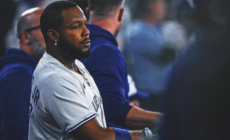
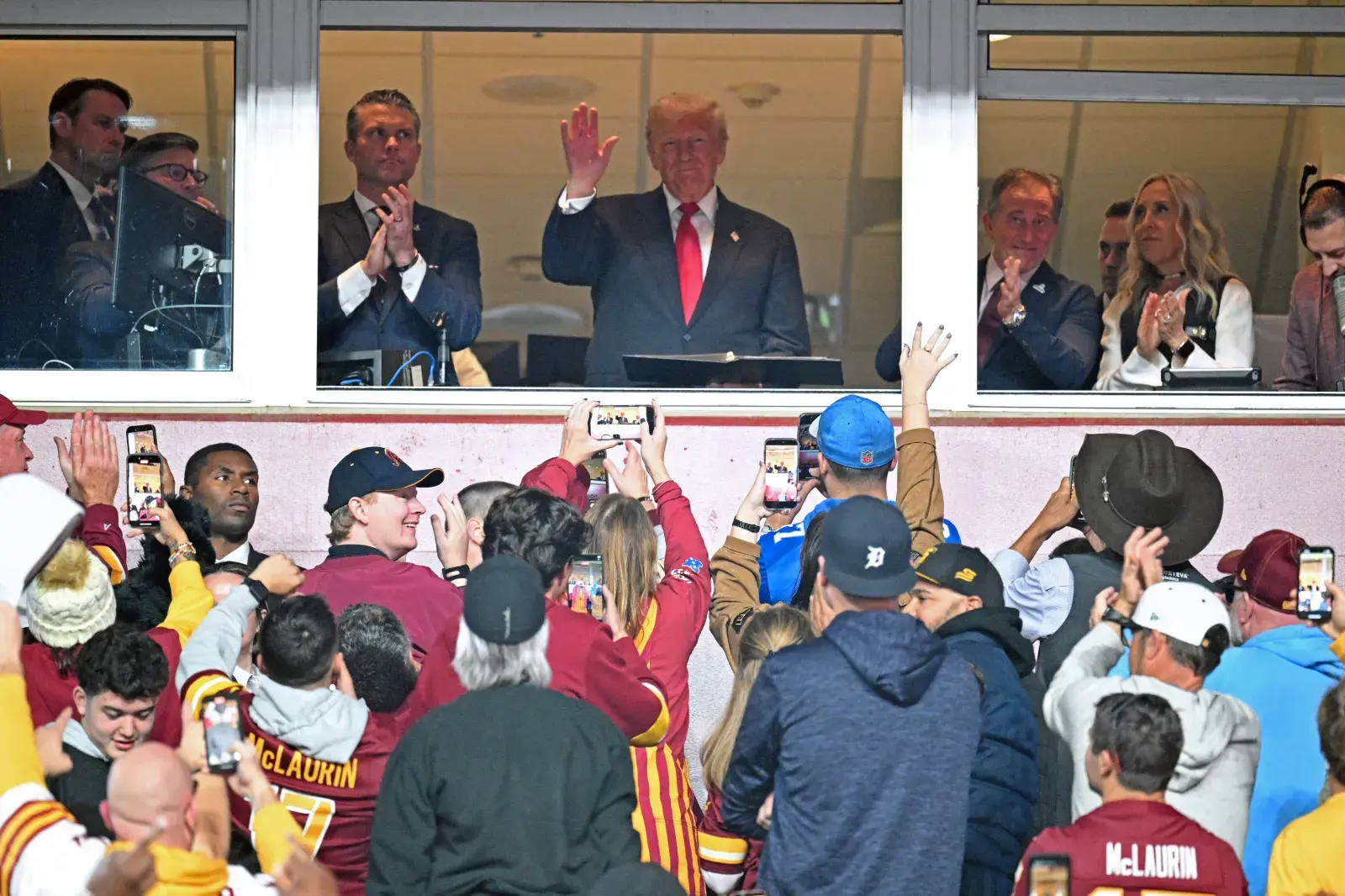
On Sunday, Trump was loudly booed during a halftime military ceremony at a regular-season NFL game in Maryland. The crowd reaction came just days after new polling revealed a sharp decline in Trump’s economic approval ratings, as his messaging on inflation and affordability continued to falter.
His approval on the economy, now at -33 net in several aggregated polls, mirrors the lowest levels Joe Biden reached during peak inflation in 2024. The numbers suggest that voter frustration is less about which party holds power and more about the everyday cost of living—an issue that has traditionally favored Republicans but now appears to be working against Trump.
While his base remains loyal, the low-propensity and independent voters who were decisive for Trump a year ago are showing signs of slipping away. Joseph Foudy, an economist at NYU Stern, said the dynamic now mirrors Biden’s final years: a disconnect between what the economic data shows and how voters feel. “Trump is now in the position where he’s defending high prices while trying to convince people things are getting better,” Foudy said. “That’s a hard place to be politically.”
A person familiar with internal White House strategy told the Associated Press there would be “more things to show” soon but declined to specify what. Trump has hinted at new deals on drug prices, while other aides said the messaging would change—though not the underlying policy.
One major part of the plan said to be in the works involves highlighting Trump’s income-tax cuts during the spring tax season, in hopes that larger refunds will improve public sentiment. Another, according to the AP, focuses on lowering costs while raising wages—so voters can see and feel economic progress. Beyond that, details are scarce.
Still, it’s unclear whether any single announcement or strategy can reverse the trend. Despite the administration’s insistence that tariffs haven’t contributed to inflation, a study by Harvard economist Alberto Cavallo and colleagues at Northwestern and Universidad de San Andrés found the U.S. inflation rate would have been closer to 2.2 percent without Trump’s tariffs, nearly a full point below the current rate.
While the administration argues it inherited an economic and inflationary disaster from Biden, economists indicate Trump has added a new layer of strain on prices with his tariff agenda. “This is his economy now,” Foudy said.