At the end of autumn, the foreign trade deficit stood at around EUR 121 million. The volume of exports to European Union Member States fell by 8.4%, while imports from those countries stagnated.
Hungary’s foreign trade balance deteriorated significantly in November this year: the deficit amounted to EUR 121 million, which is EUR 765 million worse than a year earlier. This unfavorable development was due to a decline in exports and a surge in imports.
According to the Central Statistical Office (KSH), the volume of exports in November was 8.6% lower than in the same period of the previous year, while the volume of imports increased by 3.8%. Seasonally and working day adjusted, the volume of exports remained virtually unchanged on a monthly basis (up 0.1%), while imports increased by 3.7% compared to October.
In terms of value, exports amounted to EUR 12.4 billion, while imports reached EUR 12.6 billion in November. In euro terms, the value of exports fell by 1.8%, while imports rose by 4.4 percent year-on-year. Adjusted for calendar effects, export volume declined by 5.9%, while imports rose by 6.8%.
At the same time, price developments improved the terms of trade: the price level of exports measured in forints rose by 0.7%, while that of imports fell by 5.6%, resulting in a 6.8% improvement in the terms of trade. The strengthening of the forint also played a role in this: the exchange rate strengthened by 6.2% against the euro and 14% against the dollar over the course of a year.
Chart: Monthly changes in the volume of foreign trade in goods*
The largest negative impact continued to be caused by the turnover of machinery and transport equipment. The export volume of this product group fell by 7.5%, while the import volume increased by 7.4%, accounting for 4.3 percentage points of the decline in exports and 3.4 percentage points of the increase in imports.
The export volume of manufactured goods fell by 7.0% and the import volume by 4.0%. This further increased the decline in exports by 2.0 percentage points, while moderating growth on the import side by 1.4 percentage points.
In the case of energy carriers, export volume fell by 15%, while imports increased by 22%. This reinforced the decline in exports by 0.6 percentage points and the growth in imports by 2.2 percentage points. Exports of food, beverages, and tobacco products fell by 11%, while imports rose by 1.6%.
The volume of exports to European Union Member States fell by 8.4%, while imports from those countries stagnated. The foreign trade balance with the EU deteriorated by EUR 628 million, but still resulted in a surplus of EUR 405 million. 75% of exports and 71% of imports were realized in this context.
In trade with countries outside the EU, the volume of exports decreased by 6.4%, while imports increased by 12%. As a result, the balance deteriorated by EUR 137 million, resulting in a deficit of EUR 526 million.
Between January and November 2025, exports amounted to EUR 136 billion and imports to EUR 128 billion. In terms of volume, exports decreased by 1.0%, while imports increased by 2.3% compared to the same period of the previous year.
The foreign trade balance deteriorated by EUR 568 million overall, but still showed a significant surplus of EUR 7.8 billion. The terms of trade also improved in the first eleven months of the year, with export prices rising by 3.4% and import prices by 0.5%. Meanwhile, the forint weakened slightly against the euro but strengthened against the dollar.
The decline in exports led to a small deficit in the foreign trade balance.
According to Dániel Molnár, chief analyst at the Economic Analysis Center, export volumes in November fell significantly short of last year’s levels, with all major product groups contributing to this decline.
Data on product groups suggest that industrial performance in November may also have been unfavorable, with external demand, primarily from Germany, which remains the most important foreign market, weakening.
However, the high base also played a role in the decline in energy exports, as Hungary became a transit country for Ukraine towards the end of last year.
Imports, on the other hand, expanded, driven primarily by increased imports of machinery and transport equipment and energy. The increase here is mainly driven by consumption, but the stockpiling effect of large investments may also have played a role. Thanks to the improving terms of trade resulting from the strengthening of the forint and favorable foreign trade prices, the unfavorable development of volume indices had only a minor impact on the foreign trade balance.
Related article
Statistical Data Confirm Fall in Industrial Production
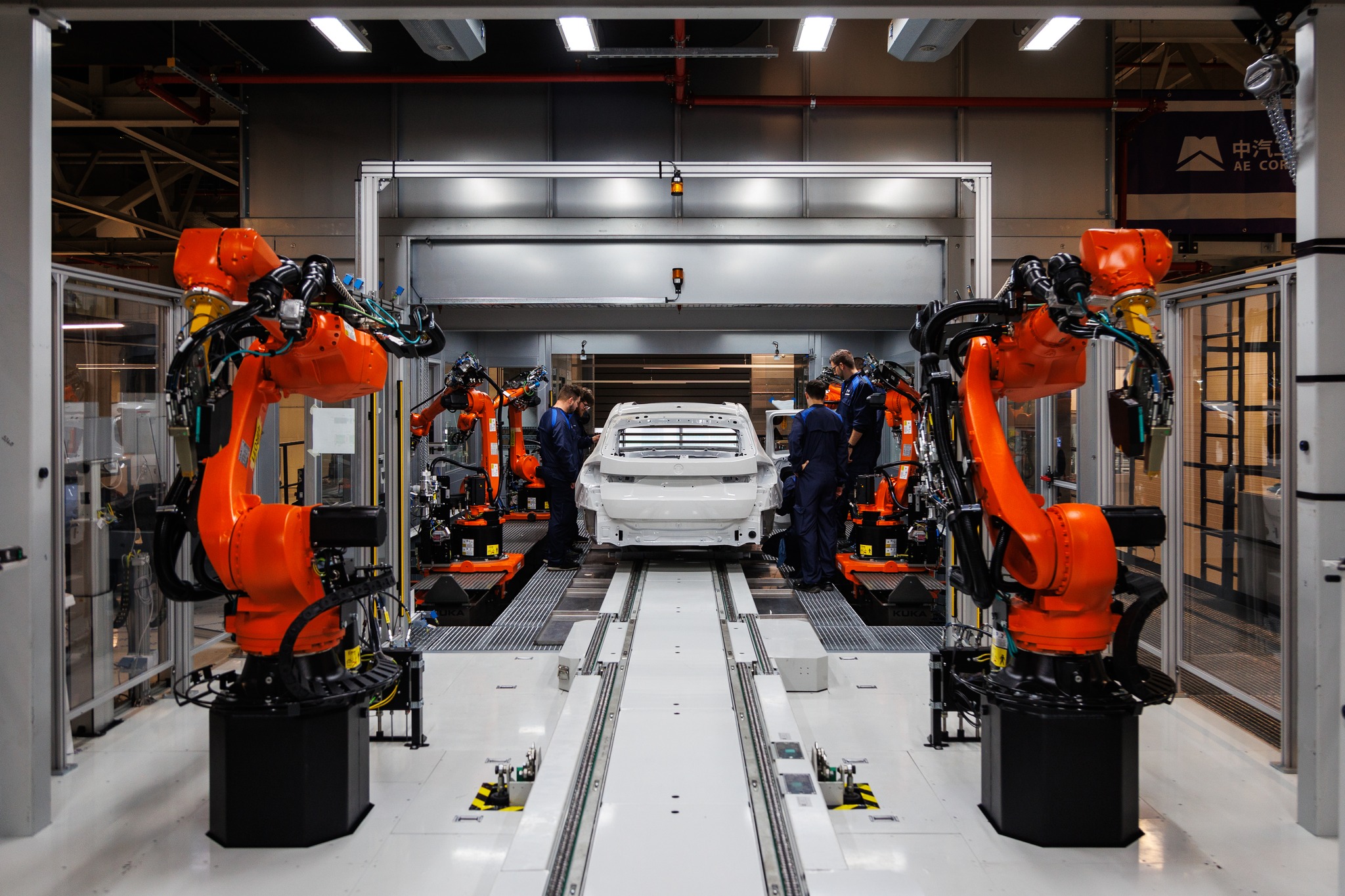
The vast majority of manufacturing sub-sectors saw a decline in output, to the largest extent in the automotive sector.Continue reading
Via Világgazdaság; Featured image: MTI/Máthé Zoltán
The post Plummeting Exports, Soaring Imports: Foreign Trade Balance Deteriorates Dramatically appeared first on Hungary Today.
Source link